Global corporate reporting on children’s rights shows little overall progress in the 2026 Global Child Forum Benchmark, with major gaps in how companies identify and manage their impact on children beyond established areas such as child labour and workplace practices.
The State of Children’s Rights & Business 2026, released today by Global Child Forum in collaboration with Boston Consulting Group (BCG), assesses 1,802 of the world’s most influential companies across eight sectors and six regions.
The global average stands at 4.9 out of 10, broadly unchanged from 5.0 in 2025, following a rise from 4.3 in 2024.
Companies see children where risks are familiar – but miss them elsewhere
Behind the overall score is a more significant finding: companies remain far more likely to recognise children where risks are already established and closely scrutinised than across the wider impact of their business.
While 55% of companies identify children as materially affected in workplace issues, that falls to 18% for community and environmental impacts and just 9% for products, services and marketing. Overall, 41% do not identify children as materially affected in any of these three areas, while only 4% do so across all three.
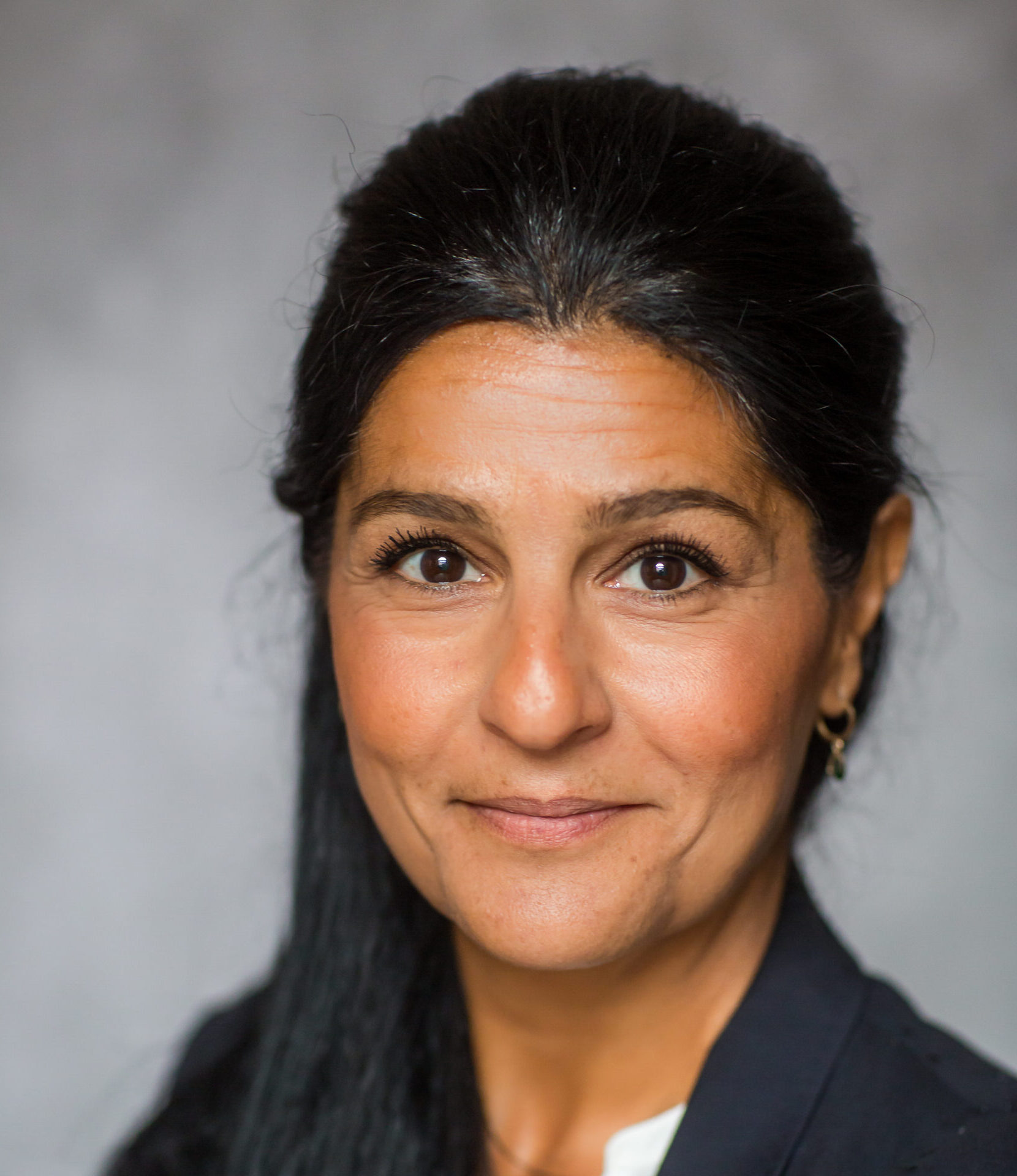
“Children remain a blind spot in corporate decision-making. They are affected by everything from climate and working conditions to digital services, products and marketing, yet companies rarely connect these impacts. Understanding the impact on children across the entire value chain is not a separate sustainability issue — it is fundamental to understanding risk, building resilience and making better long-term decisions,” said Ekin Ergün Björstedt, Secretary General of Global Child Forum.
Moving from reporting to meaningful action is proving harder
The 2026 results contrast with the substantial improvement recorded in the previous Benchmark. Moving from no reporting to some reporting can happen relatively quickly; consistently identifying, measuring and managing impacts on children requires deeper changes in corporate decision-making.
Two sectors that improved strongly in the previous Benchmark moved backwards this year. Tech & Telecom declined by 4.1%, following a 17.1% increase in 2025.
“The findings suggest that the next phase of progress will require companies to go beyond compliance and disclosure,” said Johan Öberg, Managing Director & Senior Partner at Boston Consulting Group in Stockholm. “The challenge is to build children’s rights into the way companies understand risk, make strategic decisions and measure impact.”
Nordics continue to advance
Against the broader slowdown, Nordic companies continue to improve. The 58 Nordic companies assessed increased their overall performance by 1.6%, while Swedish companies occupy two of the top six positions globally. Telia achieves a perfect score of 10 out of 10, sharing first place with Singapore-based Wilmar, while Tele2 ranks sixth worldwide.
Environmental reporting grows, but children remain largely invisible
The 2026 Benchmark also highlights a striking gap between environmental reporting and understanding the impact on children.
While 70% of companies disclose climate transition plans and 67% report environmental performance against targets, 92% score zero on reporting negative impacts of their operations on children in surrounding communities. Only six companies – 0.3% – report assessing suppliers specifically for environmental or community impacts on children.
Yet faster progress is possible. In Metals & Mining, the proportion of companies recognising children as materially affected by environmental and community impacts has risen from 1% in 2024 to 32% in 2026.
Companies consult stakeholders – but rarely children
The same blind spot is evident in stakeholder engagement. While 72% of companies consult external stakeholders, only 3% – 48 companies – specifically consult children, young people or their representatives.
Companies that consult children achieve an average Benchmark score of 7.5 out of 10, compared with 5.8 among companies consulting stakeholders more generally.
The full State of Children’s Rights & Business 2026 is available here.